Brand and e-commerce marketing: For brands & e-commerce.
Brand and e-commerce for DTC brands, in-house teams and scale-ups.
Your tools are trainedto average you out.
AI models converge on the average: the statistical centre of their training data, biased toward the most-indexed content on the web. The more your team produces at that average, the more it becomes the baseline they calibrate against.
The work we do.
We scope every engagement to one named problem.

Brand diagnostics
Distinctive asset diagnostic
- Fame and uniqueness scores for your key brand assets
- AI fingerprint check: where your content has already drifted from your brand
- Ranked findings by exposure to averaging
- Prioritised action list with specific interventions
- Board-ready output: defensible numbers for every asset
AI voice audit
- Sample analysis across recent content (website, social, email, ads)
- Drift map: where the brand voice holds and where it has slipped
- Identification of which assets your brand can own at scale
- Competitive distinctiveness benchmark
Brand architecture and systems
Brand context architecture
- Brand context document formatted for AI tool ingestion
- Prompt libraries calibrated to your specific stack (ChatGPT, Claude, Gemini)
- System instructions for every content category your team produces
- QA framework your team can operate without us
- Image model guidance: which models preserve which visual properties
Tone-of-voice and voice systems
- Tone-of-voice documentation designed for AI-era production, usable in active workflows
- Reusable voice templates per content type and channel
- Editorial decision tree: what gets checked before publication
- New-hire onboarding: how we write here
Creative direction
Campaign and content direction
- Campaign briefs with aesthetic conviction the algorithm cannot produce
- Senior editorial review on content before publication
- Art direction for campaigns, social and print
- Creative quality gate before publication
Visual system and identity
- Visual system audit: what is ownable, what is generic
- Logo and identity review against distinctive asset criteria
- Colour, typography and motion guidelines for AI-era production
- Asset library architecture: what to produce, at what scale
Growth and content systems
Content architecture
- Content calendar designed around distinctiveness, with volume as a secondary metric
- Topic clusters compounding authority without eroding voice
- SEO and AEO visibility aligned with brand territory
- Platform-specific briefs: what holds on LinkedIn versus Instagram versus web
Documented workflows
- Audit current ad hoc AI usage across the team
- Document the workflows that produce on-brand output
- Shared prompt libraries with brand context per use case
- Team-wide knowledge base so standards compound rather than drift
Work from heritage brands, luxury houses and category challengers. Visual language and positioning for markets where the brand is the only defensible advantage.
Three ways to start.
Three entry points. Pick the one that fits where you are.

Brand audit
You know something has changed in the brand. You cannot put a number on it yet.
- Distinctive asset diagnostic: Fame and uniqueness scores for your key assets
- AI fingerprint check across recent content
- Ranked findings with prioritised action list
You know exactly where the brand holds and where it drifts. One week.
See the audit pageBrand sprint
One specific problem. Two weeks. Everything delivered as working files.
- Brand context architecture, voice refresh, or visual system update
- Focused intervention against one named gap
- Senior hands throughout. You own everything.
A working operational layer your team runs from day one.
Brand retainer
A quality check inside the room.
- Ongoing creative direction, content QA and systems maintenance
- Month-to-month, no lock-in
- Senior review before publication, every time
A persistent creative standard.
Work directly with the founders.

Name the specific problem
We scope to one named gap: tone-of-voice diluted by AI volume, visual system losing distinctiveness, content process producing sameness. The brief starts with the exact diagnosis.
Measure what you have
A distinctive asset diagnostic. Fame and uniqueness scores for your key brand assets. Most teams discover their most-loved assets score below 50% on uniqueness. That is the finding that unlocks the brief.
Design the architecture
Brand context formatted for AI tool ingestion. Prompt libraries calibrated to your specific stack. A QA framework your team can operate without us. Working documents your team uses from day one.
Hand back and hold the standard
You own everything we produce. The retainer keeps us in the room. The sprint has a defined end.
Brand evidence
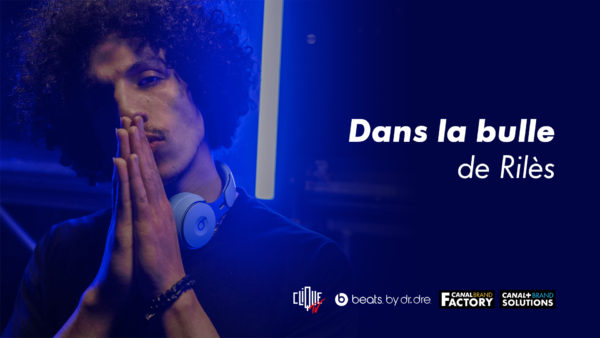
Beats by Dre
Content series bridging Clique TV, Beats and Canal Brand Solutions. Two vocabularies, one room. The brand held across three distinct audience contexts without splitting.
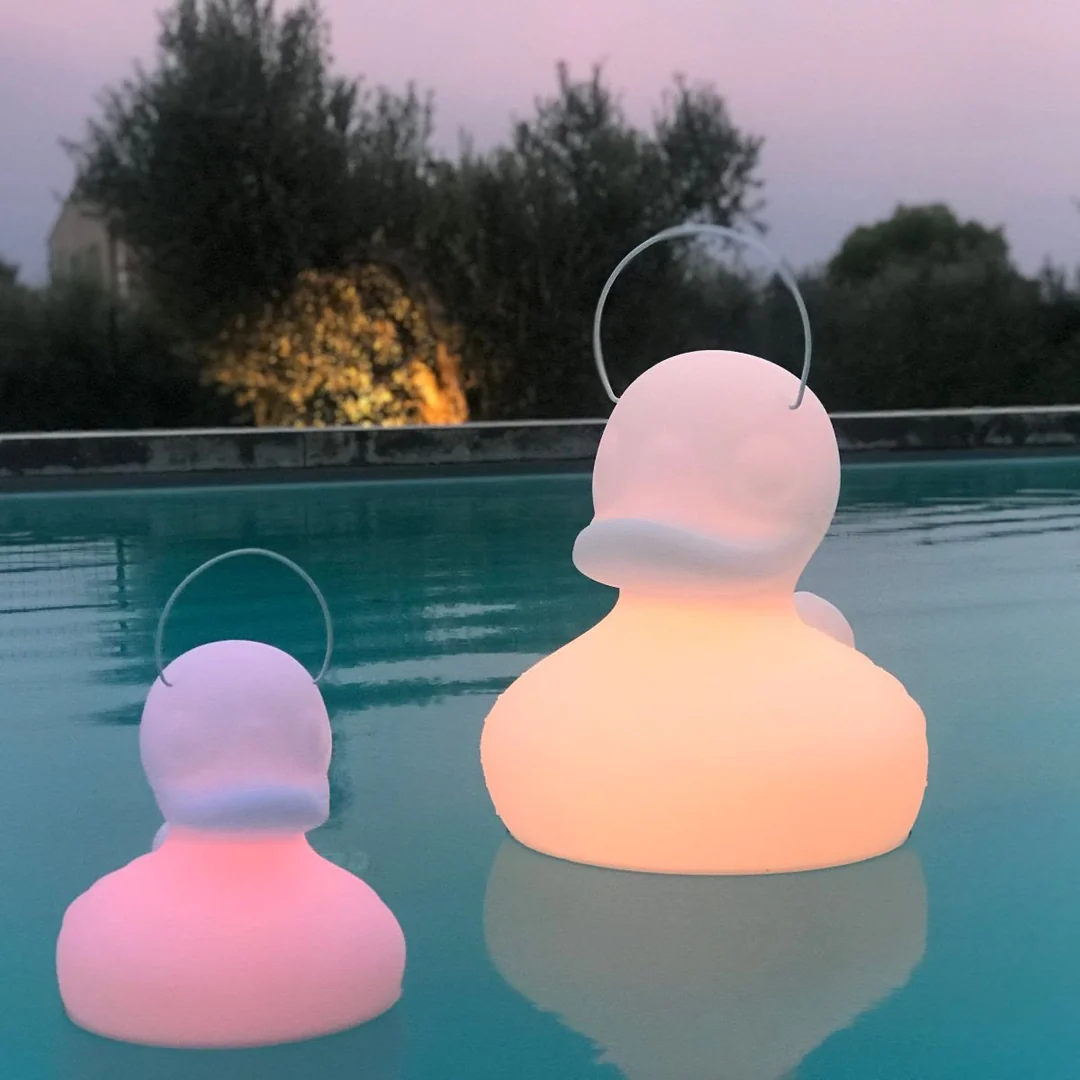
Goodnight Light
Design-led lighting brand made in Barcelona and sold direct. We helped with growth, audit, brand strategy and the visual truth of the product.
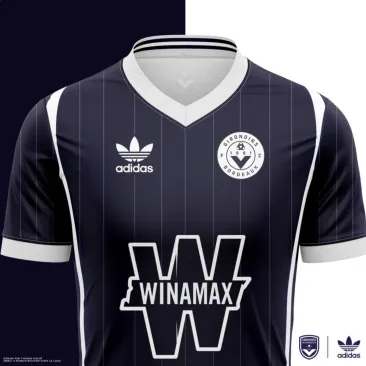
Girondins de Bordeaux
Loyalty and customer acquisition program designed to increase matchday engagement and brand affinity.

Collaborators worldwide
A liquid network of specialists. The right person for the right language, timezone and context. We bring them in by name when the brief needs a specific skill.
Thirty minutes. A real diagnosis.
Thirty minutes with a founder. We will tell you where your brand holds and where it has already drifted.
The brief comes from the diagnosis. Scope follows the evidence.

Before you ask.
The output is technically correct. It sounds nothing like us.
What is happening?
Your AI tools are producing to a generic average: the statistical centre of their training data, biased toward the most-indexed, most-liked content on the web.
A persistent brand context fixes it: every tool your team uses operates within a bounded environment that contains your actual tone, visual system and asset standards.
I can see the AI fingerprints in our own content and it makes me feel sick.
That reaction is accurate diagnosis.
Adobe named the failure mode in their own product launch in April 2026: AI slop, uniformity, taking both the human and the humanity out of the creative process. Your tools are trained on web-scraped content that was already converging before AI arrived.
A persistent brand context, a prompt library calibrated to your specific stack and a human editorial gate keep generation from becoming publication.
Leadership thinks we are slow. We are precise. How do we make that case?
The gap between slow and precise is almost always a measurement problem.
A distinctive asset diagnostic produces fame and uniqueness scores per asset: defensible numbers your team can take into a board meeting. A 34% uniqueness score for your primary asset is a board-room number.
"This does not feel right" is a feeling. Your team makes the case with the number. The diagnostic gives them the number.
We have a brand guide. Why do we need help applying it?
A brand guide documents what the brand was. It rarely specifies what the brand does in an AI-era production workflow: which prompts are on-brand, which image models preserve which visual properties, what a human editor checks before publication.
Most brand guides were not written for a team producing 100 assets a week. The gap between the document and the workflow is where distinctiveness erodes.
We design the operational layer that makes the guide usable at the speed the team is working. For example, we can help you turn your own DESIGN.md into a living brand context file for the tools your team actually uses.
What does a brand sprint deliver? Is it a new brand guide?
A brand sprint starts with one named problem: voice drift, visual sameness, AI output that feels off, or a brand guide nobody can use in production.
The output depends on the gap. It might be a distinctive asset audit, a DESIGN.md-style brand context file, a sharper voice system, a visual QA framework, or the prompt library your team needs before publishing.
Two weeks. Senior hands throughout. You own everything.